Heat pump installation
One system that heats your home in winter and cools it in summer. We look at your home, explain what fits, and give you the price before any work starts.
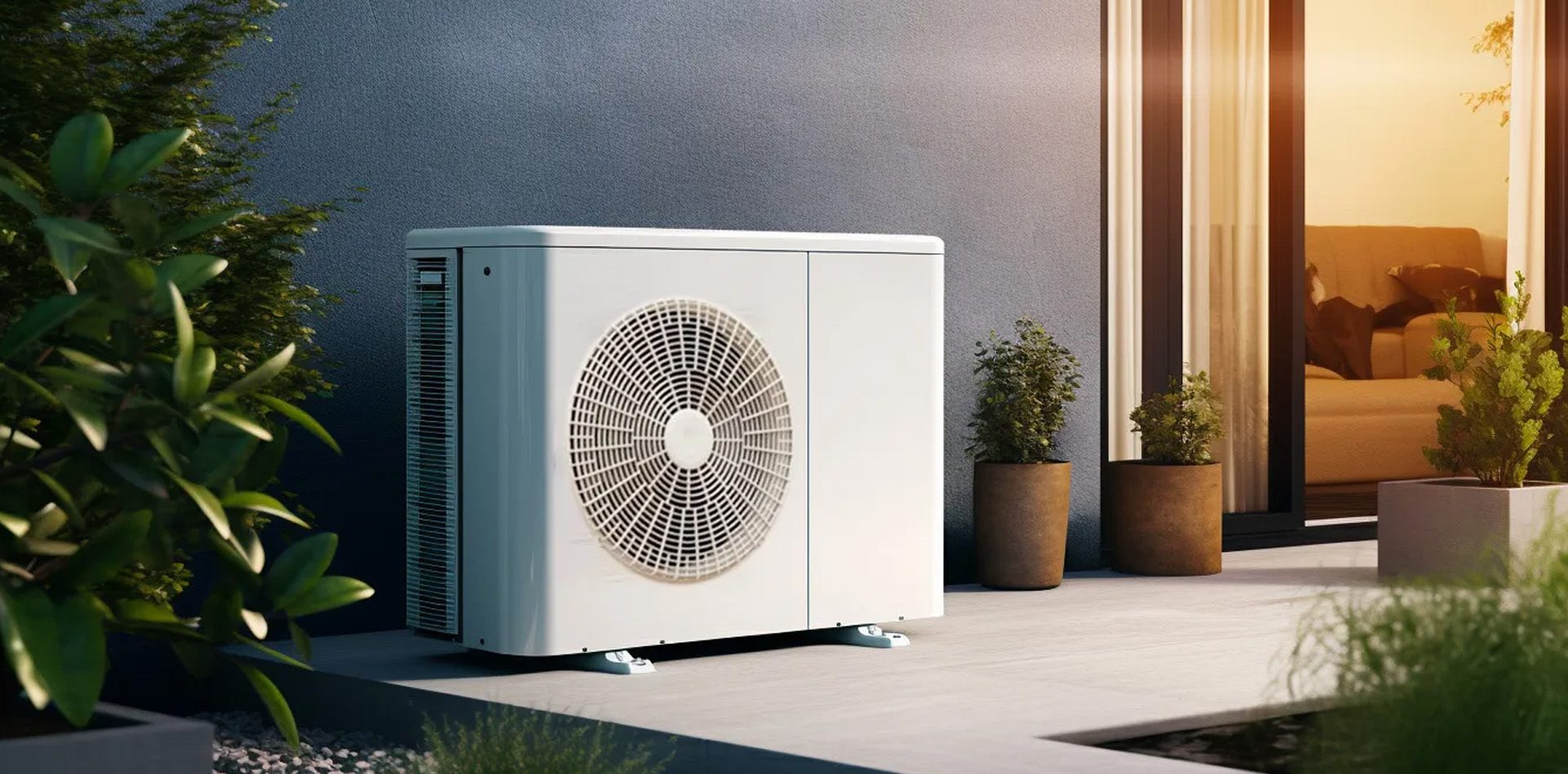
How a heat pump works
A heat pump moves heat instead of burning fuel to make it. In summer it pulls heat out of the house, exactly like an air conditioner. In winter it runs in reverse, pulling heat from the outdoor air, even cold air, and bringing it inside.
Because it moves heat rather than making it, a heat pump delivers more heat than the electricity it uses. That is why so many Massachusetts homeowners are adding one.
Do heat pumps work in a Massachusetts winter?
Cold-climate heat pumps are built to keep heating well below freezing. Their output does drop in the coldest weather, so the system has to be sized for your home and your winters. Many homes keep their furnace or boiler as backup for the coldest days, and some let the heat pump carry the whole load.
What we look at first
- How you heat now: oil, gas, propane or electric baseboard, and how old that system is.
- Whether the house has ductwork, and what shape it is in.
- The size of the home, its insulation and windows, and the rooms that are hardest to heat or cool.
- The electrical panel, and where the indoor and outdoor units can go.
Rebates
Massachusetts offers heat pump rebates through Mass Save to customers of the participating electric and gas companies. Towns with their own municipal light plant usually run their own programs. Amounts and rules change, so check the current offers at masssave.com or with your town's light plant before you buy.
Ducted or ductless
The right type depends mostly on whether your home has ducts.
Ducted heat pump
Uses the ducts you already have, in place of a central air conditioner or alongside a furnace. One thermostat, air to every room.
Ductless mini split
Slim indoor units in the rooms that need them, connected to an outdoor unit. Made for homes with radiators or no ducts.
About mini splitsHeat pump with backup
The heat pump does most of the heating and cooling, and your furnace or boiler takes over on the coldest days.
How a heat pump installation works
We look at your home
We see how the home heats and cools today, the ducts or radiators, the panel and where the units can go.
You get the price first
We explain the options that fit and give you the price before any work starts.
Install day
We set the outdoor unit, install the indoor equipment, run and seal the refrigerant lines, and keep the mess small.
Test and walk-through
We run it in heating and cooling, check it, and show you the controls and the filters.
Heat pump questions
Can a heat pump replace my oil or gas heat?
Often, yes, either completely or with your furnace or boiler kept as backup. It depends on the house and the system you have now, so we look before we recommend anything. Read heat pump or furnace for the trade-offs.
Do I need ductwork for a heat pump?
No. Ductless mini splits are heat pumps that need no ducts. If your home has ducts in good shape, a ducted heat pump can use them. See mini split or central air.
Will a heat pump lower my heating bills?
Compared with oil, propane or electric baseboard heat, heat pumps usually cost less to run. Compared with natural gas, it depends on local gas and electric rates and on the house. We can talk through what to expect for your home.
Is it normal for the outdoor unit to frost over in winter?
Light frost is normal, and the heat pump clears it with a defrost cycle. You may see steam during defrost. A thick layer of ice that stays is worth a call.
Do heat pumps need maintenance?
Yes. Keep the filters clean and the outdoor unit clear of snow and leaves, and have it serviced once a year. See heat pump maintenance and repair.
Thinking about a heat pump?
Tell us what is going on. You get the price up front, and we show up on time.